Why I, as a Hindu, Shall Not be Born in an Abrahamic Faith in My Next Rebirth
The post title may be shocking for some, specially to 'secularists' and those who think 'Sarv Dharma Samaan' -All religions are equal
INSPIRATIONAL
6/1/20269 min read
Understanding Rebirth in Hindu Philosophy
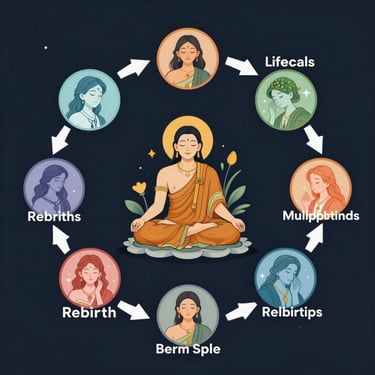
The concept of rebirth is central to Hindu philosophy, emphasizing a cyclical understanding of life, death, and existence. The belief in rebirth, or punarjanma, is intricately linked to the principles of karma and dharma that govern an individual's moral and ethical conduct. According to Sanatan Dharma, known in West as Hindu faith, each action (karma) performed in one’s life has repercussions that extend beyond the physical realm, influencing future lives and shaping the soul’s journey through samsara, the cycle of birth, death, and rebirth.
The cycle of samsara reflects the principle of continued existence, where atma, broadly meaning soul in Western philosophy, traverse through various forms, continually learning and evolving. The ultimate aim within Hindu philosophy is to achieve liberation, known as moksha, which signifies the end of the cycle of rebirth. Moksha is attained through self-realization and by living a life aligned with dharma, ultimately breaking free from the chains of karma.
This understanding of rebirth underpins the approach to life within Sanatan dharma, encouraging a profound sense of responsibility towards one’s actions and their ethical implications. Therefore, the belief in being born again in an Abrahamic faith contrasts starkly with the core principles of Sanatan faith.
The Principles of Abrahamic Faiths
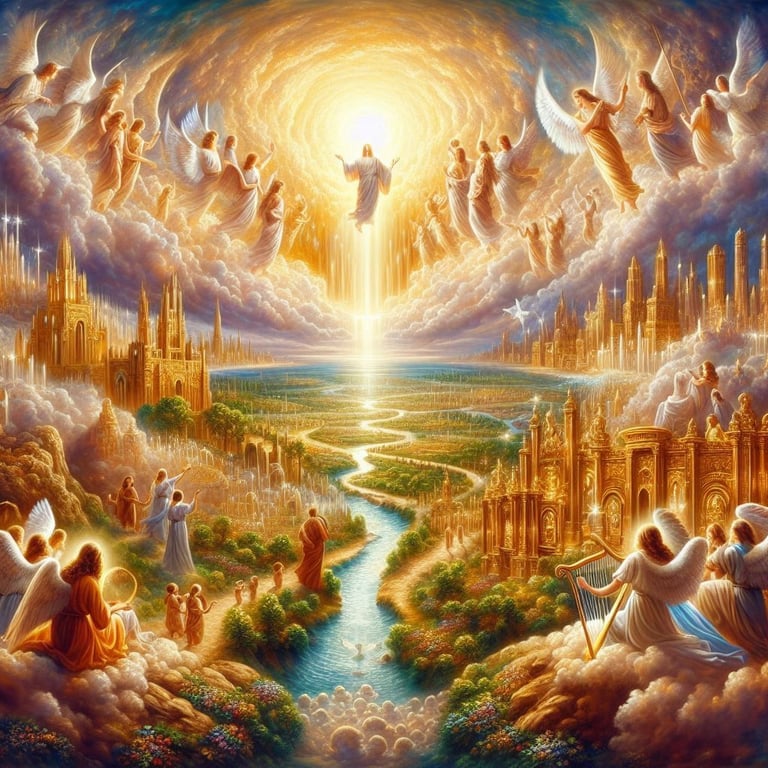
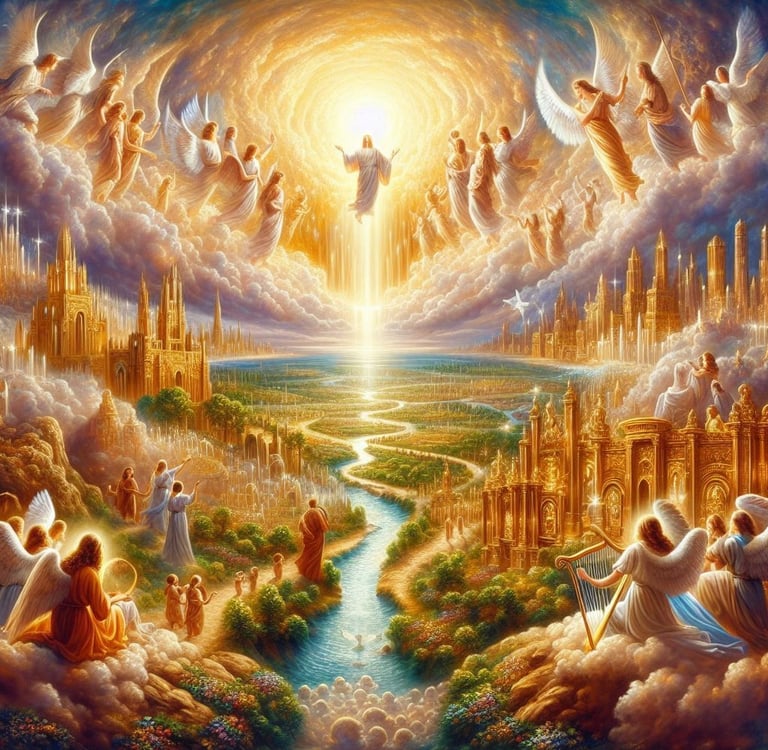
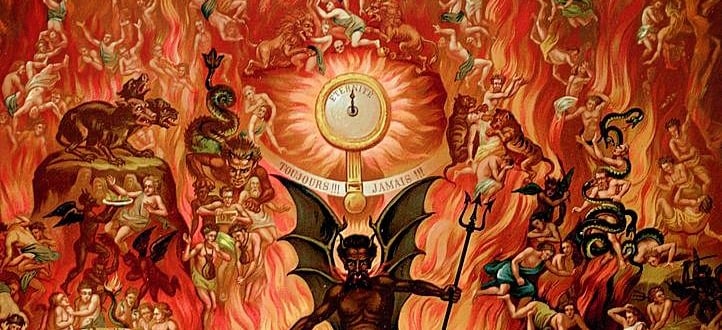
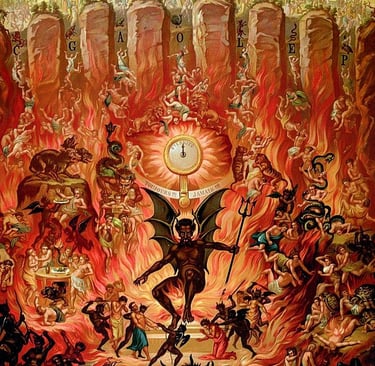
The three major Abrahamic faiths—Judaism, Christianity, and Islam—share a foundational belief in a singular, transcendent God. Still each religion possesses somewhat differing interpretations of life, death, and the afterlife, shaped by their respective doctrines and teachings. Nevertheless, one fundamental principle among these faiths is the concept of a linear existence, characterized by a single life on Earth followed by an eternal existence in heaven or hell depending upon the divine judgment.
Judaism, the oldest of the three traditions, presents a varied view of the afterlife. While some Jewish texts maintain a somewhat ambiguous stance regarding heaven and hell, the emphasis lies on ethical living and adherence to God's commandments during one's earthly life. The focus is predominantly on life in the present, with less detailing of an afterlife experience, albeit some strands do articulate beliefs in a world to come and the resurrection of the dead.
In contrast, Christianity explicitly defines the afterlife, positing that individuals are rewarded with eternal life in heaven or condemned to hell based on their faith in Jesus Christ and their moral choices during life. Salvation—a central tenet of Christianity—underscores the individual relationship with God, with the promise that faith in Christ leads to the assurance of eternal bliss for believers.
Similarly, Islam provides its own framework regarding the afterlife. The Quran outlines a definitive judgment day where all individuals will be resurrected and evaluated by Allah. Actions in earthly life determine whether individuals are admitted to paradise or face punishment in hell. The concept of accountability of followers in Earthly life is of paramount importance in Islam, and this accountability means level of adherence to religious obligations and conduct as per Quran and other scriptuures
Despite their differences, these faiths engender a shared sense of moral responsibility and an overarching belief in a perpetual afterlife above Earth. The principles of Abrahamic faiths significantly shape their followers' worldviews, emphasizing the importance of choices made during their singular life on Earth.




Consequences of Moral Deeds Across Lifetimes
In Hindu philosophy, the concept of karma serves as a fundamental principle underlying the belief in reincarnation. According to this doctrine, the moral deeds performed in past lifetimes significantly influence the circumstances and experiences in one’s current life.
The repercussions of both positive and negative actions manifest in various forms, shaping personal realities and interactions with the world. Each individual’s journey is therefore seen as a cumulative narrative, intricately woven with the threads of past actions.
Three categories of Karma:
Sanchit Karma:(The Store): The sum of all accumulated karmas from several previous births.
Prarabdh Karma:(The Present): The part of Sanchit karma available in the present life.
Kriyaman Karma:(The Karma earned in the present life): The karma resulting from actions in the present life that get stored in the Sanchit Karma for that will shape our future life.
For instance, an individual who engages in selfless acts of charity in one life may reap the benefits of kindness and support in future incarnations, whereas one who harbors ill intentions may face challenges or hardships that mirror their misdeeds in previous life. This inter-connectedness of actions and consequences underscores the importance of moral behavior throughout one’s various lifetimes. In this regard, many individuals find motivation to rectify past misdeeds, opting for a path of righteousness in their current existence.
One effective method of addressing previous wrongs involves conscious self-improvement and service to others. For example, those who may have acted deceitfully in a prior life can focus on practicing honesty and transparency now, thus steering their karmic trajectory in a more favorable direction. Engaging in community service, promoting peace, or mentoring others can serve as avenues for an individual seeking redemption for past errors. The sufferings being faced in this life may be seen as result of bad karmas of the past life, may be seen as impetus to do some good deeds.
Moreover, the pursuit of spiritual knowledge and personal development can provide insights into one’s past actions and guide one toward a more virtuous lifestyle. By acknowledging the past and embracing duties in the present, individuals cultivate an environment of positive karma that can ease the burdens from their prior lifetimes. This continuous cycle of learning and evolving ultimately contributes to the soul’s growth and prepares it for future rebirths.
The Divine Purpose of This Birth
In the context of Hindu philosophy, each birth is viewed as a significant step towards spiritual advancement and enlightenment, where every life presents unique opportunities for growth and learning. The belief is that being born into a Hindu family is not merely a coincidence but rather a chance to accumulate good karma and align with one's unique dharma, or righteous path. This perspective emphasizes that the circumstances of one's birth are intricately tied to past actions and the spiritual lessons one is meant to learn in this lifetime.
The concept of dharma underscores the importance of living in accordance with one's true self, which can only be fully realized through the experiences afforded by this specific birth. The teachings found within Sanatan scriptures, such as the Bhagavad Gita, stress the significance of performing one's duties and responsibilities, thereby nurturing the individual soul's progress. Every action taken within this life influences one's spiritual journey and plays a role in determining future rebirths.
Moreover, the notion of correcting past errors is central to the Sanatan belief system. Each lifetime offers the soul an opportunity to reflect upon, learn from, and rectify previous mistakes, thereby fostering spiritual maturity. This corrective advantage is particularly poignant for those born into Hinduism, as they are provided with a wealth of philosophical teachings and cultural practices aimed at guiding them on their spiritual journey.
Understanding this divine purpose transforms one's perspective on life. Recognizing that each moment serves a meaningful role in the greater narrative of spiritual evolution encourages individuals to embrace their responsibilities wholeheartedly. This underscores the idea that life is not a mere series of random events, but rather a purposeful journey through which the soul can ascend towards a higher state of awareness and understanding.
The Concept of Heaven and Hell in Abrahamic Faiths vs. Hindu Beliefs
The concepts of heaven and hell are pivotal to the Abrahamic faiths, primarily Christianity, Judaism, and Islam, where they serve as ultimate destinations for the souls based on moral conduct during one’s earthly life. Heaven, typically characterized as a place of eternal happiness and communion with the Divine, and hell, often depicted as a realm of suffering and punishment, reflect a linear understanding of existence. In these traditions, the finality of judgment plays a crucial role: adherents believe in a single life followed by divine judgment that determines their eternal fate.
Conversely, Sanatan beliefs about the afterlife emphasize the cyclical nature of existence through the concepts of reincarnation and karma. Here, heaven and hell are not eternal destinations but temporary states determined by one’s actions (karma) in previous lives. According to Hindu texts, the soul undergoes a continuous cycle of birth, death, and rebirth (samsara). The ultimate goal is to attain moksha, or liberation from this cycle, which is achieved through righteous living and spiritual realization. Thus, the Hindu perspective does not subscribe to the binary view of heaven and hell but rather considers them as transitional realms in the journey of the soul.
This distinction has profound implications for the moral and ethical frameworks of each belief system. While Abrahamic faiths often emphasize a linear morality based on adherence to divine commandments to attain heaven or avoid hell, Hinduism encourages followers to cultivate good deeds and spiritual wisdom throughout multiple lifetimes. The consequence of this cycle encourages an intrinsic understanding of personal accountability while detaching rewards and punishments from a singular existence, and instead, interlinking them with a broader understanding of cosmic justice.
Why a Hindu’s Soul Would Not Transition to an Abrahamic Faith
The beliefs surrounding the afterlife and the progression of the soul are central to the religious practices of various faiths. For Hindus, the concept of reincarnation plays a crucial role in shaping their spiritual journey. The cycle of life, death, and rebirth, known as samsara, is intricately linked to the law of karma. This belief system posits that a soul's future incarnations are determined by its actions in previous lives, which directly influences its development and learning. Therefore, it is understood that a Hindu’s soul should continue its evolution within this framework.
In stark contrast, Abrahamic faiths, such as Christianity, Islam, and Judaism, present a linear perception of existence. These religions typically teach that the soul is judged after death and assigned a permanent place in paradise or hell, never to come again on earth. This dichotomy between eternal damnation and everlasting life fundamentally conflicts with the Sanatan understanding of the soul's continuous journey through multiple lifetimes. Consequently, a Sanatani’s spiritual essence is deeply intertwined with the concept of reincarnation, which emphasizes ongoing learning and growth rather than a terminal judgment.
Moreover, the idea of evolving through successive lives allows for a more inclusive approach to spirituality. It creates a flexible framework for a Hindu to assimilate experiences and wisdom across innumerable lifetimes, fostering a rich tapestry of spiritual understanding. Thus, a Hindu transitioning to an Abrahamic faith in the next life is axiomatically incorrect as there is no next life in the latter faith. And, as an important corollary a Hindu cannot and would not have previous birth in Abrahamic faith because a soul of latter faith would be having perpetual abode in heaven or hell.based on its deeds or misdeeds in the single earthly life.
Conclusion: Embracing the Path of Dharma
In summation, the philosophical foundation of Sanatan faith emphasizes the principles of Dharma—righteous living, moral values, and adherence to one's duty. As a devout follower of these beliefs, I firmly express that my future rebirth would not be and shall not be in an Abrahamic faith for above reasons. This position emerges from a profound understanding of fundamentally contrasting philosophical frameworks between Hinduism and Abrahamic religions.
Firstly, the concept of rebirth in Hindu philosophy is intricately connected to the actions (karma) one performs in life. It asserts that spiritual progress is achieved through the accumulation of good deeds and the pursuit of knowledge. Conversely, the Abrahamic traditions are embedded with a singular pathway of salvation that may not emphasize the same cyclical understanding of life and death. This foundational difference makes it impossible for an adherent of Sanatan faith like myself to envision a rebirth in Abrahamic faiths at all.
Moreover, the values upheld in Sanatan faith resonate deeply with the principles captured in the scriptures and the teachings of ancient sages. The pursuit of truth, respect for all living beings, and the quest for self-realization are core tenets that guide one's spiritual journey. In wishing to reincarnate in a belief system that propounds a different spiritual landscape risks diluting the rich heritage and wisdom I seek to embody in my life.
Ultimately, embracing the path of Dharma extends beyond mere beliefs; it is a commitment to living with intention and virtue. The learnings and experiences I cultivate now play a pivotal role in determining future spiritual outcomes. It is through the practice of Dharma that one can attain liberation and fulfillment in every incarnation.